







The maturity dashboard is green. The control inventory is documented. The audits passed.
Underneath that: vendor concentrations nobody mapped. Identity paths that quietly bypass the model. Recovery routes that depend on the system you’d be recovering from. Third-party blast radius that wasn’t in scope when the architecture was approved.
76% of CISOs believe their organization is at risk of a material cyberattack in the next 12 months, yet more than half still felt unprepared when it arrived. The maturity score and the actual exposure are not the same number.
Most security reviews stop at the domain boundary. The failures that matter rarely do. You don’t need another maturity score. You need a true picture of where your environment is exposed.


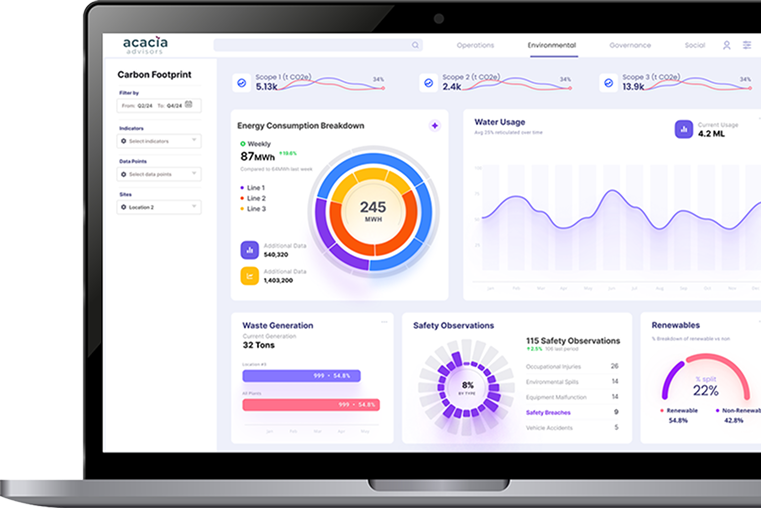
A single visual across five domains: cybersecurity, cloud and SaaS, AI risk, operational systems, and third-party dependencies. Readable in 30 seconds. Defensible in 30 minutes.
Where you’re concentrated, brittle, or dependent on something you can’t recover from. The average time to identify and contain a breach is 292 days. The exposures you haven’t mapped are already running that clock.
The specific circumstances under which your controls are most likely to break. Not audit findings. Not maturity gaps. The operational conditions — vendor dependency, identity path, recovery route — that turn a manageable incident into an uncontrolled one.
The three exposures we’d close first. Why those three. What you’re trading by waiting on each one.
A defensible story you can take into the next risk, audit, or transformation conversation. Pressure-tested under questioning.



We pressure-test the story Until it holds under questioning from a board, an auditor, or a regulator.

Our advisors are former CISOs and senior security operators. They’ve made the same calls you’re being asked to make now.